STEERING
RESPONSIBLE PROGRESS
Merino Industries has steadfastly championed environmental and societal causes for about 6 decades since its establishment. As a responsible business organisation, the commitment to environmental preservation and protection are woven into every aspect of Merino's operations.
SUSTAINABILITY
FRAMEWORK
SUSTAINABILITY
FRAMEWORK
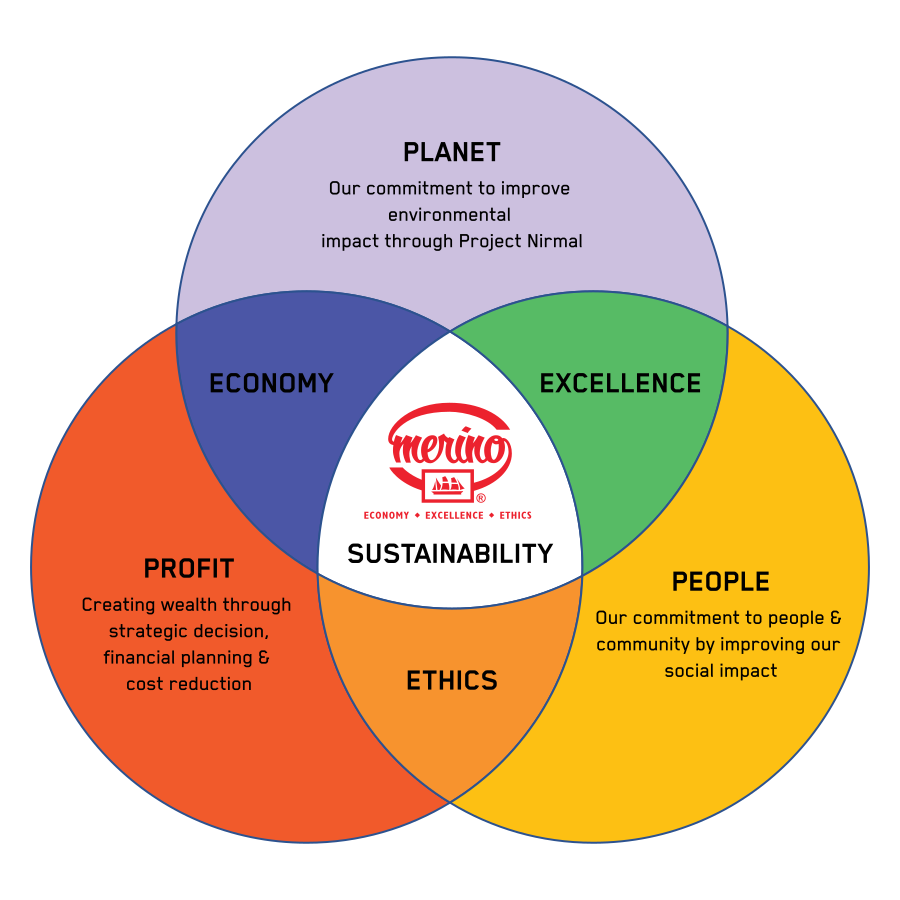
Triple Bottom Line: Planet, People,
and Profit
Merino's sustainability factors are ingrained in the Triple Bottom Line Framework, encompassing three key dimensions: environmental, social, and financial impact.
Merino is committed to safeguarding the planet, fostering a positive impact on society, and generating profits through excellence and ethical practices.
IMPACT UNDER PROGRAMME
An integrated and holistic approach that strives to protect the five elements of nature
ENERGY
80%Of total energy consumption from renewable sources

Air
Over 125,186 tCO2e of GHG were reduced
Water
101,100 KL+ Water recycled annually for reuse

Soil
Produced 300MTof Bio manure using 75 MT paddy straw and 235 MT of other organic wastes
Waste
Over 351 MT of bio-manure and vermicompost are produced annually to generate thermal energy, contributing approximately 17% to the overall energy mix in FY 2024-25.
SUSTAINABLE ENERGY
MANAGEMENT
SUSTAINABLE ENERGY
MANAGEMENT
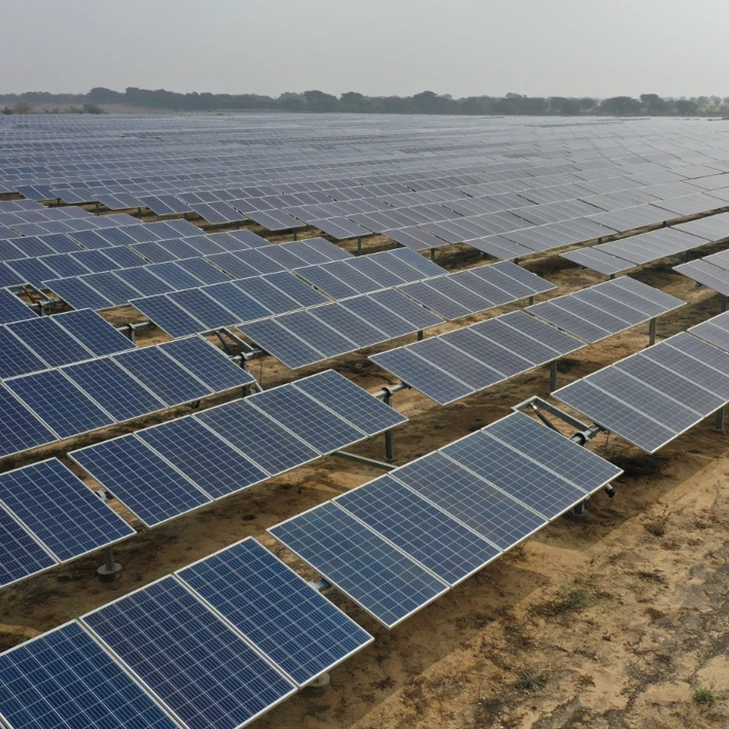
Merino follows a three-pronged strategy for effective energy management with focus on sources as non-fossil fuels, operational efficiency, and energy conserva. Merino has significantly reduced our dependence on fossil fuels and contributed to significant reduction in GHG emissions over the time. Over 80% energy coming through non-fossil fuels.
3%
SOLAR POWER
17%
Waste to Energy (WtE) Systems
60%
BIOMASS
The continuous decline in Greenhouse Gas (GHG) emission intensity with every passing year, shows the commitment of the group to contain and minimise the carbon footprint, along with the economic growth.
CARE FOR
AIR QUALITY
CARE FOR
AIR QUALITY
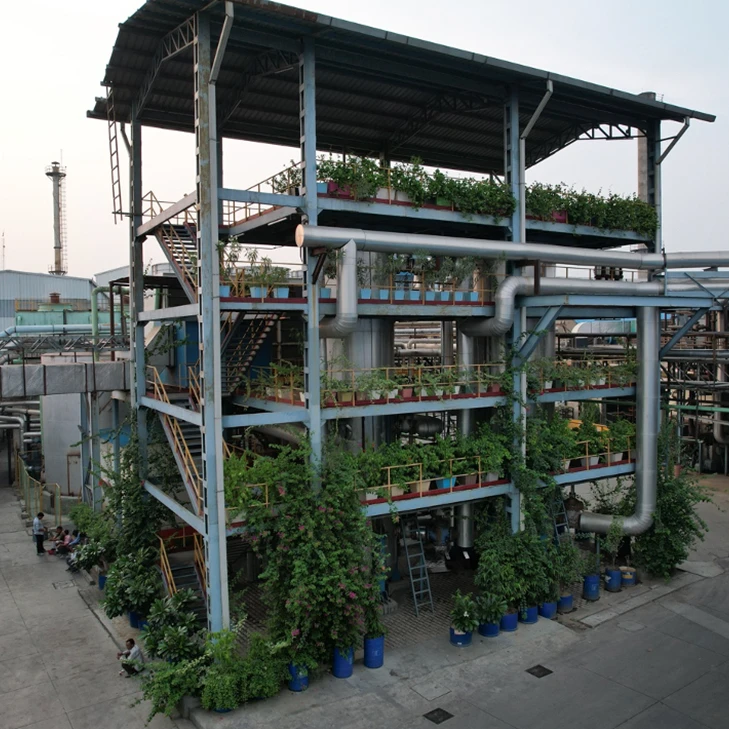
We demonstrate our dedication to relevant Sustainable Development Goals by prioritising air quality in our factory environments and workstations.

Innovative Cooling Solutions - Uses VAM chillers powered by waste heat instead of conventional refrigerant gases, meeting a substantial part of Merino's cooling needs.

Cutting-edge Cooling Technology - Usage of cutting-edge technology in production unit chillers for improved environmental friendliness in process and comfort cooling.

Air Quality Enhancement- Installed wet scrubbers, electrostatic precipitators, and bag filters in Hapur, Rohad, and Dahej lamination plants to manage air pollutants.
WATER
MANAGEMENT
WATER
MANAGEMENT
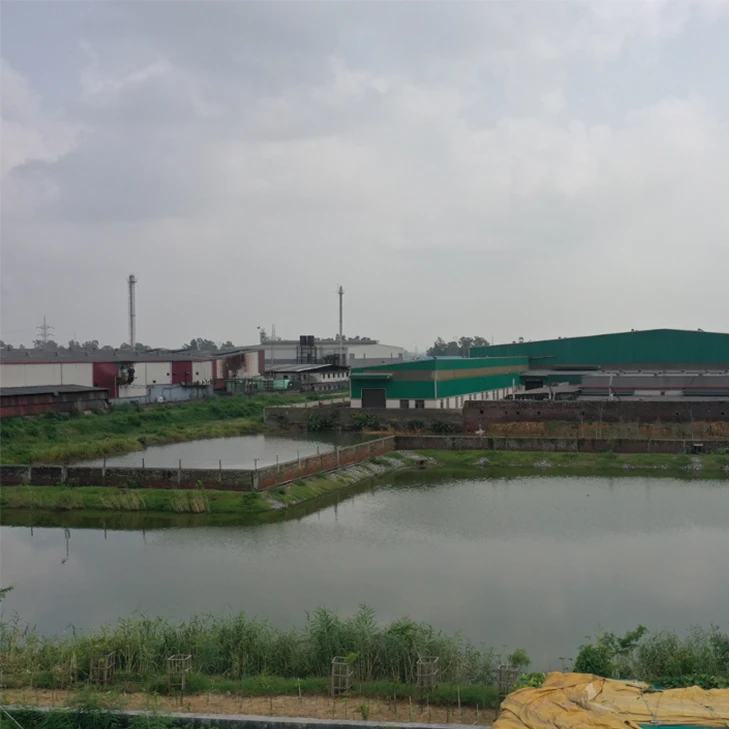
Merino Industries Limited follows the 5R approach for water management, i.e., Reduce, Recycle, Reuse, Replenish and Restore.
Recycle & Reuse - Recycled and reused water in tune of around 101,000 KL from RO, STP and ETP
Restoration & Replenish - Regular maintenance and operation of rainwater harvesting (RWH) structures and recharge wells in adopted ponds across factory locations, facilitating groundwater recharge of over 969,400 KL/ year.
Reduce- Replacement of the VAM chiller with a 100 TR Freon chiller and associated pipeline modifications at Hapur, resulting in a reduction of steam-related water consumption by an estimated 15,000 KL/year.
SOIL
MANAGEMENT
SOIL
MANAGEMENT
SOIL CONSERVATION INITIATIVES
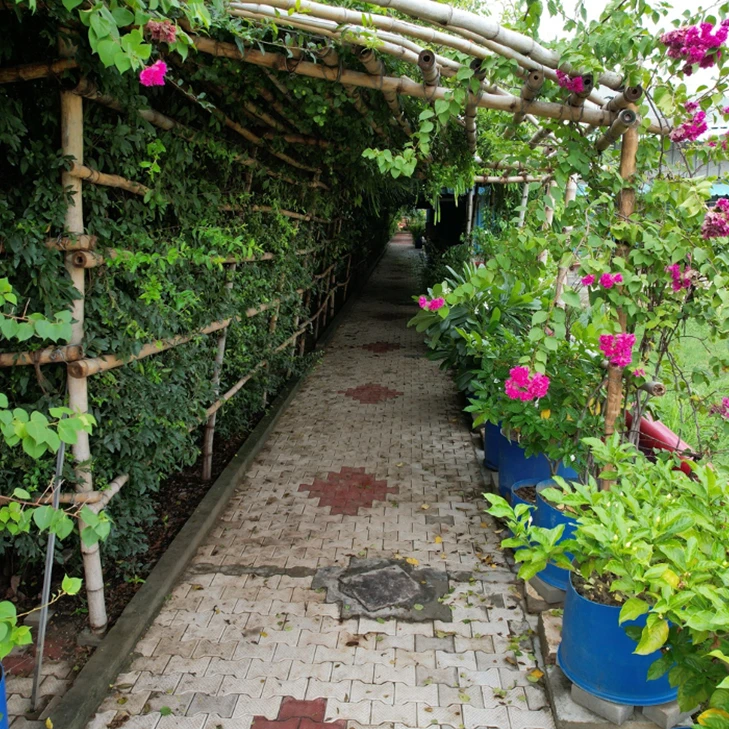
Revitalizing soil health through organic manures, agroforestry, and innovative projects for a resilient, thriving agriculture.
COMPOSTING PRODUCTION
351 MT Bio-compost Produced from agricultural and factory Organic wastes in a year. 51 MT Generated of vermicompost from the bamboo farm of Merino during FY-2024-25.
51 MT
Generated of vermicompost from the bamboo farm.
300 MT
Bio-compost Produced from agricultural and factory Organic wastes.
WORKING TOWARDS
WASTE RECYCLE
WORKING TOWARDS
WASTE RECYCLE

Green Processing - Starch slurry undergoes anaerobic digestion for energy, and residual waste is composted into soil-enriching manure.

Organic Waste Conversion - Organic waste from production and canteen activities is converted into plant manure using bioconversion processes.

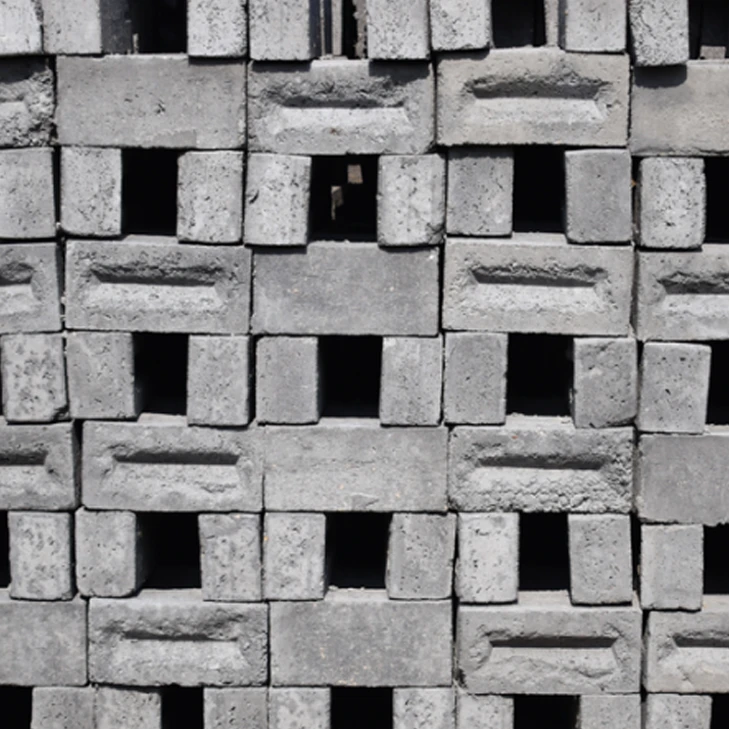
Recycling Ash - Boiler, incinerator, and NTPC power plant ash are reused to make bricks and tiles for internal factory pavements.

Utilising Byproducts - Manufacturing residues like paper and laminates are repurposed in furnaces, generating heat pivotal for drying biomass, a key energy source at Merino.